-
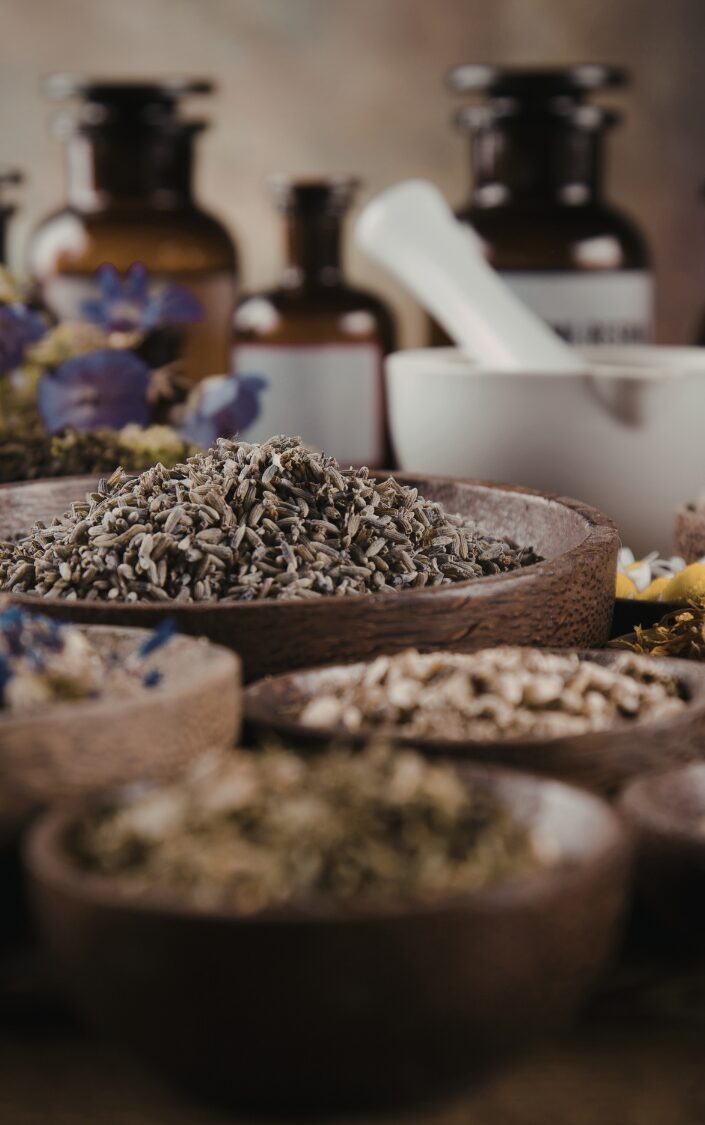
Herbs that have been used for centuries in traditional medicine Turmeric Turmeric has been used in Ayurvedic medicine for over 3,000 years to treat inflammation, arthritis, and digestive issues. Example: In ancient India, turmeric was used as a spice in cooking and was also used in traditional medicine to treat various ailments. The Indian physician…
-
The Father of Medicine Hippocrates was a Greek physician who is considered one of the most important figures in the history of medicine. He is often referred to as the “Father of Medicine” due to his significant contributions to the field of medicine, particularly during the 5th and 4th centuries BCE. Life and Career Hippocrates…
-
Ancient Sumerian Dittany Tea Recipe One example of an ancient Sumerian herbal remedy is the use of the plant “dittany” (Origanum syriacum) to treat chest pains. The Sumerians would crush the leaves and mix them with other herbs to create a poultice that was applied directly to the chest. In this example we will look…
-
Plant Magic In ancient Egyptian culture, plants were considered to have spiritual significance and were believed to possess magical powers. This idea was deeply rooted in their mythology, religion, and daily life. Plant Spirituality The Egyptians believed that certain plants had the ability to communicate with the gods and other supernatural beings. They thought that…
-
Ancient Wisdom and Modern Research Modern herbal remedies are increasingly combining traditional knowledge with contemporary scientific discoveries in plant chemistry and pharmacology. This fusion of old and new approaches is leading to a renewed interest in herbal medicine and a deeper understanding of the complex relationships between plants, humans, and the environment. Ancient Wisdom: A…
-
The role of herbal medicine The Roman Empire played a significant role in spreading and promoting herbal medicine throughout their vast territories. As they expanded their empire, they adopted and adapted various herbal practices from the cultures they encountered. Influence of Greek and Egyptian Herbalism Roman herbalism was heavily influenced by Greek and Egyptian traditions.…
-
Explore monasteries role In medieval Europe, monasteries played a vital role in preserving and developing herbal knowledge. These self-sufficient communities of monks lived on remote islands or in the countryside, far from cities and towns. They focused on spiritual pursuits, but also on agriculture, medicine, and education. Herbalism as a Monastic Pursuit Monks were trained…
-
The Rise of Pharmaceuticals and Synthetic Medicines In the late 19th and early 20th centuries, the development of pharmaceuticals and synthetic medicines revolutionized the way diseases were treated. The discovery of penicillin in the 1920s, followed by the introduction of antibiotics like streptomycin, tetracycline, and sulfonamides, marked a significant shift away from traditional herbal remedies.…
-
Vital energy or life force In Chinese medicine, “qi” (pronounced “chee”) refers to a vital energy or life force that flows through the body. It’s like a invisible liquid that keeps our bodies functioning and healthy. Imagine your body as a big machine with many parts working together. Qi is like the fuel that makes…
-
Galen of Pergamon: A Pioneer in Medicine Galen (129-216 CE) was a Greek physician, surgeon, and philosopher who made significant contributions to the field of medicine. He is considered one of the most influential physicians of all time, and his works had a profound impact on Western medical traditions. Early Life and Education Galen was…
